

Chemical peels remain one of the most trusted professional skincare treatments, with 3.7 million skin resurfacing procedures performed in 2024 alone—and for good reason. These treatments deliver proven results, revealing healthier, renewed skin through controlled exfoliation.
If you’re considering a chemical peel, understanding what happens before, during, and after will help you prepare properly and achieve the best possible results. Here's everything you need to know.
Key Takeaways
- Chemical peels can deliver real, proven results. They resurface the skin through controlled exfoliation, improving tone, texture, and clarity while stimulating healthy cell renewal and collagen production.
- Preparation sets the stage for success. Conditioning your skin and following your professional’s guidance before treatment minimizes irritation and ensures smoother, safer results.
- Aftercare helps determine your outcome. The way you treat your skin post-peel—keeping it protected, hydrated, and hands-off—is just as important as the treatment itself.
- Results build over time. Noticeable improvements develop gradually and are best maintained through a customized series of peels and consistent at-home care.
- Professional expertise makes all the difference. DermaQuest combines advanced, professional-grade formulations with expert training for providers—ensuring every peel is precise, personalized, and delivers optimal skin health and results.
What Chemical Peels Do
Think of chemical peels as a controlled reset for your skin health. They remove damaged outer layers, kickstart natural cell turnover, and boost collagen production. Professional formulations can tackle multiple concerns at once, such as aging signs, hyperpigmentation, acne, post-acne marks, texture issues, and sun damage.
Different depths are designed to deliver targeted results:
- Superficial peels target texture, tone, and mild discoloration
- Medium peels address deeper lines, acne scarring, and pigmentation
- Deeper peels repair severe damage and visibly rejuvenate skin
And the results aren’t just anecdotal—they’re well-documented. Clinical studies consistently show measurable improvements across many skin concerns, such as:
- Post-acne pigmentation: 45% of patients experienced greater than 75% reduction with glycolic acid peels
- Melasma treatment: Glycolic acid peels achieved 79% average reduction in pigmentation severity scores, with 75% of patients reporting good to very good subjective improvement
Glycolic acid peels are among the most common professional peel treatments and are generally classified as superficial peels. Higher-strength or layered formulations can reach medium depth to address more persistent discoloration and texture concerns. Your skincare professional can customize the peel depth based on your specific concerns and skin type.
Why Cooler Months Are Ideal for Chemical Peels
Many people think chemical peels should wait until warmer weather, but fall and winter can be some of the best times to have them done. With shorter days and lower UV exposure, your skin can heal and renew with less risk of sun-related irritation or discoloration.
Cooler weather also makes it easier to stay out of direct sunlight and stick to your aftercare routine. The key isn’t the season, it’s consistency and proper care guided by your skincare professional.
Before Your Peel: Why Preparation Matters
Preparation plays a bigger role than most people realize. The way you prep your skin directly affects your results and minimizes the risk of irritation. Taking time to condition your skin barrier beforehand sets the stage for a smoother recovery and better results.
While the steps below outline the basics, be sure to consult your skincare professional in advance to develop a prep plan tailored to your unique skin needs.
2-6 Weeks Before Treatment (Depending on Skin Tone)
Preconditioning is essential for everyone, but deeper skin tones need longer prep time to strengthen the barrier and minimize post-inflammatory hyperpigmentation risk:
- Fitzpatrick I-III: 2 weeks of gentle cleansing, hydration, and daily SPF protection
- Fitzpatrick IV-VI: 4-6 weeks of barrier support: cleanse, hydrate, repair/correct if advised, and protect with daily SPF sunscreen
During this time, it’s also important to share your full medical and skincare history with your provider, including any recent antibiotics use, steroid use, autoimmune conditions, or skin barrier issues. Avoid waxing or aggressive exfoliation while preparing, as these can also compromise the skin before your peel.
2-3 Weeks Before Treatment
Time to pause those actives including AHAs, BHAs, and retinoids. Different treatments require different break periods:
- Standard retinol: 14 days
- Tazarotene (Tazorac): 21 days
Isotretinoin (Accutane/Roaccutane) is a special case. Most professionals recommend waiting at least a full year after finishing treatment before undergoing any chemical peel.
72 Hours Before Treatment
Before your peel, a simple patch test helps confirm your skin tolerates the peel safely and prevents undue irritation or unexpected reactions. If you’re new to peels or it’s been a while since your last treatment, ask your provider to perform a test about 72 hours in advance.
During Your Treatment: The Experience
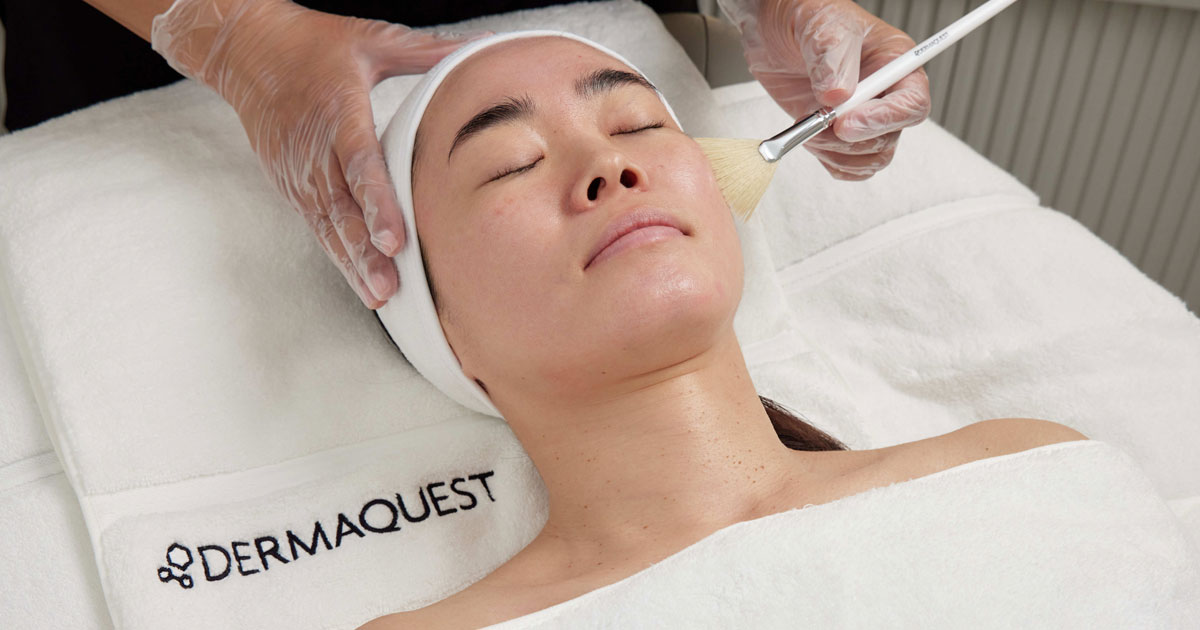
Professional chemical peel treatments typically take 30-45 minutes, and with DermaQuest, every step is designed around precision and personalization.
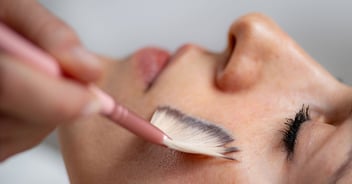
Your experience begins with thorough cleansing and preparation of your skin. Your provider then applies a DermaQuest professional peel formulation in controlled layers, carefully monitoring your skin's response throughout the process. This real-time assessment allows your professional to customize the depth and timing to match your specific skin type, concerns, and goals.
What Sets DermaQuest Apart
The DermaQuest experience combines advanced formulations and professionally trained skincare experts, with skin health as the top priority. Your provider has completed specialized training in DermaQuest protocols and techniques, ensuring they understand how to customize treatment for optimal safety, comfort, and results.
DermaQuest peels are formulated for controlled, predictable outcomes, and when paired with a trained professional's expertise, this combination delivers the personalized care your skin deserves.
What You'll Feel
Warmth, tingling, prickling, or mild stinging sensations while the peel is active are entirely normal and temporary. Your provider will walk you through what to expect and ensure your well-being throughout the treatment.
After Your Peel: Recovery & Care
Understanding the recovery timeline helps you plan and avoid complications. The golden rule throughout recovery is simple: Let your skin do the work. Don’t pick or pull at peeling skin; it needs to shed naturally for the best outcome.
Lighter resurfacing treatments may have only 24–48 hours of downtime with minimal visible peeling; your provider will clarify. For deeper peels, recovery takes longer and requires more diligent aftercare. Here’s what to expect:
24–48 Hours After
- Avoid washing your face or applying products for at least 8 hours (24 hours is even better)
- Skin may feel warm, tight, or itchy—this usually settles within 24–48 hours
- Avoid all heat sources: no sweating, exercise, hot showers, saunas, or swimming
Your Essential Aftercare Routine
Once the initial 8-12 hour waiting period ends, begin this simple routine and continue it throughout your recovery:
- Cleanse gently: Use a mild, non-active cleanser
- Hydrate: Apply a simple hydrating serum and moisturizer
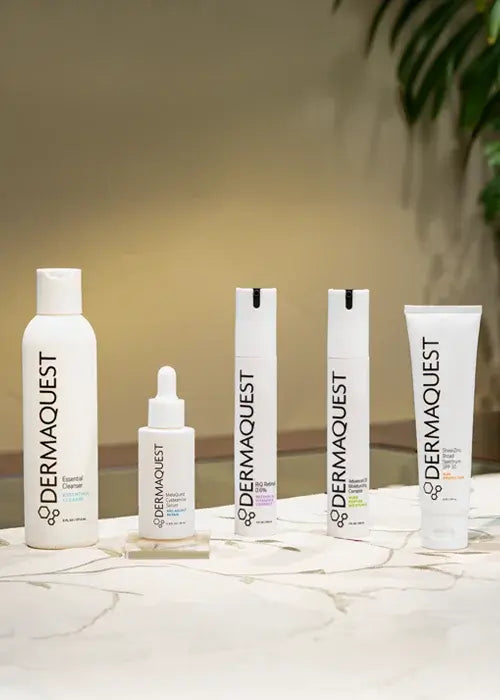
- Soothe: Use DermaQuest Post Treatment Cream only on irritated spots; stop once skin feels calm
- Protect: Wear broad-spectrum mineral SPF 30 daily and reapply every 2 hours outdoors. Hats or visors add extra protection.
Days 2–7: Peak Peeling Phase
- Day 2: Expect tightness, dryness, and a slightly tan look
- Days 3–7: Peeling starts around the mouth and chin, then spreads outward. If there are areas of significant redness, irritation, or discomfort, consider applying a soothing balm, such as DermaQuest’s Post Treatment Balm as needed
- Keep avoiding heat, UV exposure, sweating, and active ingredients
Days 8–10: Final Phase
In this last recovery phase, light flaking may linger near the edges. Once peeling stops and sensitivity fades, consult your skincare professional before reintroducing active ingredients like AHAs, BHAs, or retinoids—typically around Day 7.
Your skincare provider can determine when your skin is ready for any follow-up procedures. In most cases, it’s best to wait at least 2 weeks before scheduling fillers, injectables, or other in-office treatments to minimize irritation and ensure optimal healing.
When to Contact Your Provider
As discussed, normal recovery includes temporary redness, tightness, controlled peeling, and sensitivity. However, reach out to your skincare professional or seek medical attention if you experience:
- Symptoms lasting beyond 48 hours (burning, significant itching, warm-to-touch sensations)
- Severe redness, swelling, hives, or intense pain
- Blistering, skin lifting, or water-blistered areas
- Unexpected white patches (frosting) beyond what your provider prepared you for
- Difficulty breathing, dizziness, or nausea (possible allergic reaction)
- Areas that don't improve within 3-5 days
Long-Term Results: What to Expect & How to Maintain Them
Chemical peel results don’t happen overnight—they build as your skin heals, renews, and strengthens. Many clients see their best outcomes through a customized series of treatments spaced weeks apart, guided by their skincare professional’s plan and ongoing evaluation.
Building Your Best Results
Visible improvements develop gradually as cell turnover increases and collagen production strengthens the skin’s foundation. Your provider can recommend the right peel type and frequency for your goals, whether that’s evening tone, reducing scarring, or refining texture.
Maximizing Your Investment
Your post-treatment regimen matters just as much as the treatment itself. Consistent sun protection and a tailored at-home routine help preserve results and keep your skin balanced between treatments. Expert guidance on home care and maintenance can help maximize visible results for a longer-lasting transformation over time.
Your Quick Reference: Do's and Don'ts
Do:
- Plan ahead—pause active ingredients 2-3 weeks before treatment
- Condition your skin properly (longer prep time for deeper skin tones)
- Be gentle with your skin post-treatment: gentle cleanse, hydrate, protect
- Wear mineral SPF 30 daily and reapply every 2 hours
- Stay cool and avoid the sun/heat during recovery
- Use DermaQuest Post Treatment Cream for targeted comfort support
Don't:
- Pick, scrub, or exfoliate peeling skin
- Expose recovering skin to heat, UV, or activities that cause sweating
- Rush back into active ingredients before your skin is fully healed
- Skip sun protection
Your Professional Partner Makes All the Difference
Chemical peels deliver their best results when two elements come together: advanced formulations and professionally trained expertise. That's the DermaQuest difference.
Professional-Grade Formulations
DermaQuest peels, such as the DermaQuest Intelligent Jessner Peel, are formulated for controlled, predictable outcomes using advanced delivery technologies.
These aren't products you can buy online or pick up at a retail counter—they're professional-grade formulations available exclusively through licensed skincare professionals who understand how to customize treatment for your unique skin.
With over 25 years as a trusted partner to skincare professionals worldwide, DermaQuest delivers Fitzpatrick-inclusive treatment solutions beyond just peels backed by an FDA-approved manufacturing facility and a team of globally recognized experts in formulation, ingredient innovation, and quality assurance.
Trained Professional Expertise
Your DermaQuest skincare professional has completed specialized training in DermaQuest protocols, techniques, and the DermaQuest Skin Health System. This comprehensive education covers ingredient innovation, treatment planning, and strategic application—ensuring they understand how to assess your skin in real-time during treatment, adjust depth and timing as needed, and guide you through proper preparation and aftercare for optimal results.
DermaQuest stands behind the professionals who care for your skin with comprehensive support that ensures you receive the highest standards of treatment and service.
Ready to explore whether chemical peels are right for your skin goals? Locate a licensed DermaQuest skin professional near you for expert guidance and the best possible results.
All results are individual and may vary. This content is for educational purposes and does not replace professional medical advice. Always consult with a licensed skincare professional before beginning any new treatment.