

Have you ever noticed your skin suddenly reacting to everything—products you’ve used for years now sting, your moisturizer stops working, and redness won’t quit?
If so, your skin barrier may be compromised and calling out for help.
Your skin barrier is your outermost protective layer that shields against environmental stressors while locking in essential moisture. When compromised, skin becomes vulnerable to irritation, dehydration, and heightened sensitivity.
A healthy skin barrier is also essential for optimal results from in-office treatments such as chemical peels, microneedling, and laser services. Damaged barriers can lead to complications rather than the glowing results you're seeking.
Below, we’ll go through the five telltale signs your skin barrier needs repair.
Key Takeaways
- Your Skin Barrier Protects and Seals In Moisture一It’s your skin’s outer shield, locking in hydration while defending against irritants. When weakened, dryness, redness, and sensitivity often appear quickly.
- Persistent Dryness Means the Barrier Is Failing一If skin feels tight or rough no matter the moisturizer, it’s lost essential lipids and can’t retain hydration effectively.
- Redness and Stinging Reveal Irritation一When familiar products suddenly burn or cause redness, irritants are reaching deeper layers due to a compromised barrier.
- Too Many Actives Break It Down一Overuse of retinol, acids, or exfoliants strips the protective layer faster than it can rebuild, leaving skin dehydrated and reactive.
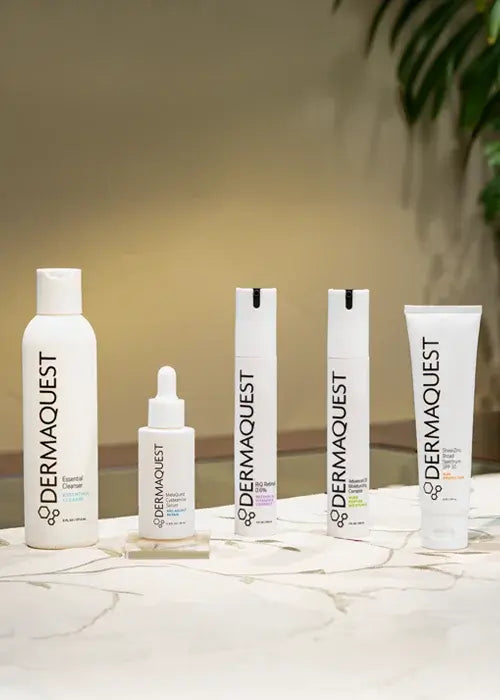
- Rebuild with DermaQuest一Certified DermaQuest professionals use advanced, barrier-repairing formulas, such as Advanced Stem Cell Rebuilding Serum, to restore strength, balance, and lasting skin health.
1. Persistent Dryness & Tightness
Symptoms of Barrier-Related Dryness
When your skin barrier needs repair, you'll notice dryness that doesn't improve even after applying moisturizer. Your skin feels tight throughout the day, with persistent flaking or rough texture that won't smooth out.
Why Barrier Dysfunction Causes Dryness
A compromised barrier can't retain moisture effectively. Your skin has lost its natural lipids, which seal in hydration, creating a cycle where moisture escapes as quickly as you add it back. This isn't typical dryness that responds to hydration—it's barrier dysfunction.
When your moisturizer stops working, your barrier may be calling for help, not more hydration.
2. Stinging or Burning When Applying Products
The Product Sensitivity Test
One of the clearest signs your skin barrier needs repair is when products that used to feel comfortable now cause stinging or burning. This isn't limited to active ingredients: Even gentle, water-based products or serums you've relied on for months feel irritating.
Why Products Sting on Damaged Barriers
When your skin barrier is damaged, ingredients penetrate more deeply than they should, reaching exposed nerve endings. Your skin's defense system is compromised, and substances that should remain on the surface are penetrating layers where they don't belong.
Stinging is your skin's way of saying it needs a break from actives and a return to basics. This is the time to pause retinol, acids, and other potent ingredients until skin barrier repair is complete.
3. Unexplained Redness & Inflammation
How to Identify Barrier-Related Redness
Barrier-related redness looks different from typical acne inflammation. You'll notice generalized redness across your cheeks, forehead, or entire face that isn’t related to breakouts. This can worsen with temperature changes or after cleansing, with flushing that feels disproportionate to the trigger.
The Inflammation-Barrier Connection
An intact barrier protects against inflammatory triggers. When compromised, irritants penetrate more easily, sending your skin's inflammatory response into overdrive. This creates a frustrating cycle: inflammation damages the barrier further, and barrier damage causes more inflammation.
4. Increased Sensitivity to Everything
Signs of Spiraling Skin Sensitivity
Suddenly reacting to products you've used for years is a major red flag that your skin barrier needs repair. Beyond products, you may notice sensitivity to environmental factors such as wind, temperature changes, or even your pillowcase fabric. New sensitivities develop seemingly overnight, and your skin may feel reactive without clear triggers.
Over-Exfoliation as the Primary Cause
Over-exfoliation is one of the most common reasons people need skin barrier repair. Physical scrubs used too frequently, chemical exfoliants such as AHAs and BHAs applied daily, or layering multiple actives—retinol plus acids plus vitamin C—all break down your barrier faster than your skin can rebuild it. Even professional treatments scheduled too closely together can push your barrier past its limit.
5. Dull, Uneven Skin Despite Regular Care
Visual Signs of Barrier Damage
When your barrier is compromised, you'll notice a loss of natural radiance that no highlighter can recreate. Your skin develops an uneven texture that makeup can't smooth over, and fine lines appear more prominent due to dehydration.
How Barrier Health Affects Skin Appearance
A healthy barrier creates a smooth surface that reflects light naturally. A damaged barrier creates a rough, uneven surface that scatters light, resulting in dullness. Dehydration from barrier dysfunction further emphasizes texture issues.
That lackluster complexion may not need more brightening products—it may need skin barrier repair first.
How to Support Skin Barrier Repair
The Foundation: Simplifying Your Approach
When your skin barrier needs repair, a key step is pausing actives. Remove retinol, acids, and vitamin C temporarily, and avoid all exfoliation. Strip your routine back to gentle, hydrating basics and resist the temptation to add new products. Less truly is more during barrier recovery.
What to Expect During Barrier Repair
Skin barrier repair takes time and patience. With consistent care, you can expect noticeable improvement within two to four weeks, as sensitivity and redness gradually decrease. Once your barrier is restored, you can slowly reintroduce actives one at a time—but rushing this process will only set back your progress.
Consult Professional Support
While at-home strategies are important, working with a licensed skin health professional who truly appreciates the foundational role of barrier health can accelerate your recovery.
DermaQuest partners exclusively with licensed providers who understand that a healthy barrier is essential for achieving lasting skin health. These experts can assess your specific barrier concerns, recommend professional-grade formulations with barrier-supporting ingredients, and create a customized treatment plan tailored to your needs.
For instance, DermaQuest's Advanced Stem Cell Rebuilding Complex, available through DermaQuest providers, contains peptides and growth factors that support the skin's natural repair processes during barrier recovery.
A professional can also help you avoid common pitfalls and ensure your barrier is fully restored before resuming more aggressive treatments or actives.
Partner With DermaQuest Skincare Experts
Restoring your skin barrier is a journey best guided by deep expertise. DemaQuest’s skin health professionals can evaluate the extent of your barrier damage, identify contributing factors you may have overlooked, and develop a targeted treatment protocol that addresses your unique concerns while supporting your broader skincare goals.
DermaQuest partners exclusively with certified skin health professionals who understand the pivotal role of barrier health in achieving lasting skin transformation. Through access to professional-grade formulations and expert assessment, they can create a customized plan that supports complete barrier recovery and long-term skin resilience.
Ready to restore your skin's protective barrier? Find a certified DermaQuest professional near you who can create a personalized plan for barrier repair and long-term skin health.
Find a DermaQuest Provider Near You
Frequently Asked Questions
- What causes skin barrier damage?
Over-exfoliation, harsh cleansers containing sulfates, environmental stressors (e.g., pollution, extreme weather), hot water, layering too many actives, and certain medications can all compromise your skin barrier.
- What ingredients should I avoid while my barrier heals?
It’s always best to consult a skincare professional for personalized advice on barrier restoration. However, pausing all actives, such as retinol, AHAs, BHAs, vitamin C, and benzoyl peroxide, can help.
Also, avoid alcohol, fragrance, essential oils, and sulfates.
- What ingredients should I use during barrier repair?
Consult a skincare professional before introducing any new products. That said, ingredients such as ceramides, niacinamide, peptides, hyaluronic acid, and squalane, when used as directed, can help support barrier restoration and hydration.
- How long does skin barrier repair take?
Results vary by individual, but typical timelines are as follows:
- Mild damage: 2-4 weeks
- Moderate damage: 4-6 weeks
- Severe damage: 2-3 months
- What's the difference between dehydrated skin and barrier damage?
Dehydrated skin lacks water and responds quickly to hydrating products. Barrier damage involves structural compromise, causing persistent sensitivity, stinging, and dryness that standard moisturizers can't fix.
- Can I wear makeup during barrier repair?
It's always best to consult a skincare professional; however, gentle, fragrance-free formulations are generally suitable. Remove with a non-foaming cleanser, and include makeup-free days when possible to support recovery.