

Your moisturizer stopped working. Products you've used for months are suddenly stinging. Your skin feels raw and tight, and—confusingly—you're breaking out more than usual despite being diligent about exfoliating.
If this sounds familiar, your exfoliation routine may be working against you. Over exfoliation is one of the fastest ways to compromise your skin barrier, the foundation every other product in your routine depends on.
Below, we'll walk through the key signs of over-exfoliated skin, explain what's happening beneath the surface, and outline how to restore balance.
What Is Over Exfoliation and Why Does It Matter?
Exfoliation, done correctly, encourages healthy cell turnover, improves texture and tone, and helps active ingredients absorb more effectively. Done too aggressively or too often, it removes more than just dead skin cells.
Your skin's outermost layer seals in moisture, shields against environmental stressors, and helps regulate your skin's inflammatory response. When exfoliation strips this layer faster than it can regenerate, that protective function breaks down. The result is a cycle of dehydration, sensitivity, and inflammation that more product can't resolve.
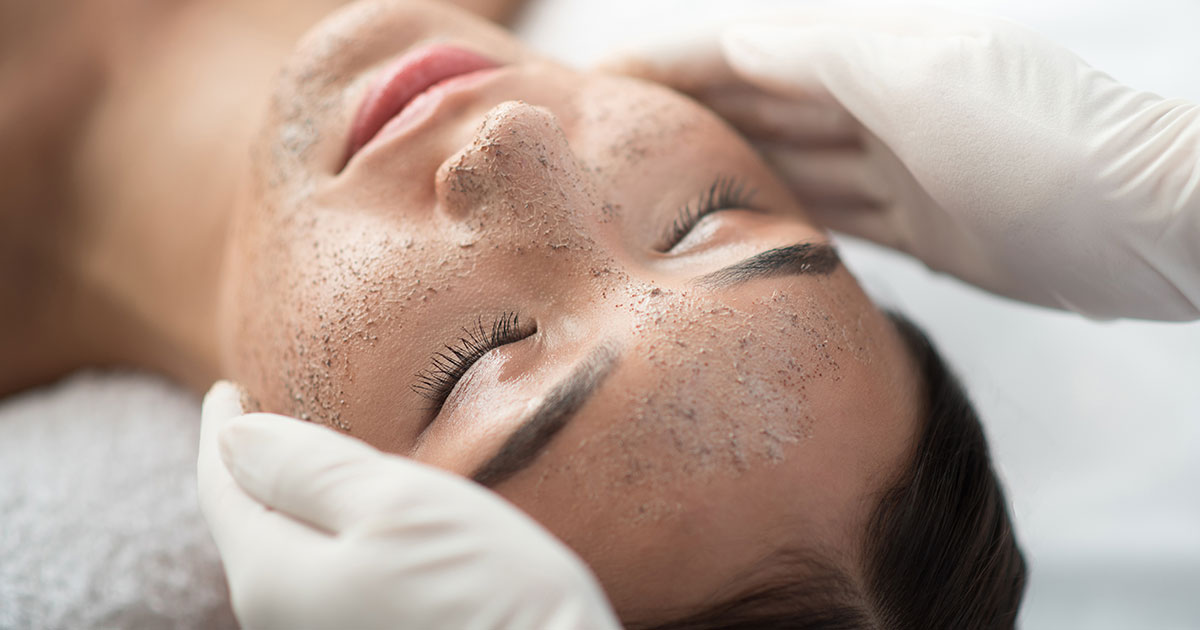
Common culprits include daily AHA or BHA use, layering multiple actives without appropriate spacing, physical scrubs applied too frequently or with too much pressure, and professional exfoliation treatments scheduled too closely together.
The American Academy of Dermatology Association (AAD) recommends adjusting exfoliation frequency to your skin type and method—and cautions that over-exfoliation can lead to redness and irritation.
Signs of Over-Exfoliated Skin
Over exfoliation often appears gradually, making it easy to misattribute to other causes. These are the most common signals to watch for.
Stinging or Burning When Applying Products
When products that once felt comfortable now cause stinging, including gentle, water-based formulas, it's a clear sign your barrier has been compromised. Ingredients are penetrating more deeply than intended, reaching layers where they don't belong. That stinging sensation is often a direct sign of a compromised barrier and a cue to scale back on active ingredients while the skin recovers.
Persistent Dryness and Tightness
If your skin feels dry and tight despite regular moisturizing, your barrier may have lost the lipids it needs to retain hydration. This isn't typical dryness that responds to more product—it's barrier dysfunction, and layering on additional moisturizer without addressing the underlying issue won't resolve it.
Redness, Breakouts, and Unexpected Dullness
Barrier-related redness often appears as generalized flushing that worsens after cleansing or with temperature changes. Over exfoliation can also cause breakouts: stripped skin may trigger inflammation and lead to increased sebum production. And when the barrier is compromised, its surface becomes uneven, and scatters light rather than reflecting it, resulting in a flat, lackluster complexion that brightening products alone can't correct.
For a deeper look at what barrier compromise looks and feels like, see our piece “5 Signs Your Skin Barrier Needs Repair."
How to Fix Over-Exfoliated Skin
Fixing over-exfoliated skin follows a clear progression: stop, simplify, rebuild, then reintroduce.
Stop and Simplify
Remove all exfoliating products immediately: AHAs, BHAs, physical scrubs, retinoids, vitamin C, and benzoyl peroxide. Strip your routine back to gentle basics and resist the urge to add anything new. Every unfamiliar ingredient is a potential source of additional irritation while your barrier is healing.
Focus on Hydration
Shift your focus to replenishing moisture and supporting your barrier's natural repair process. A hyaluronic acid serum such as our B5 Hydrating Serum can help restore moisture levels while your barrier rebuilds. Avoid products containing alcohol, fragrance, or essential oils during this phase.
Reintroduce Actives Gradually—With Guidance
Once sensitivity begins to subside, actives can be reintroduced carefully, one at a time. Rushing this step will set your progress back. A licensed skin health professional can assess your barrier's recovery and help you build a routine that includes exfoliation without repeating the cycle.
Our guide on “How to Prepare Your Skin for Professional Treatments” covers the timing of reintroduction in more detail.
Products Mentioned in Blog

B5 Hydrating Serum
This hydrating serum blends mixed molecular weight hyaluronic acid with AcquaCell and vitamin B5 to expertly strengthen and fortify skin’s barrier, leading to optimal moisture retention, radiance, bounce, and smoothness.A Barrier-First Approach to Exfoliation
The better question isn't how often to exfoliate, it's whether your skin has the foundational health to benefit from exfoliation in the first place.
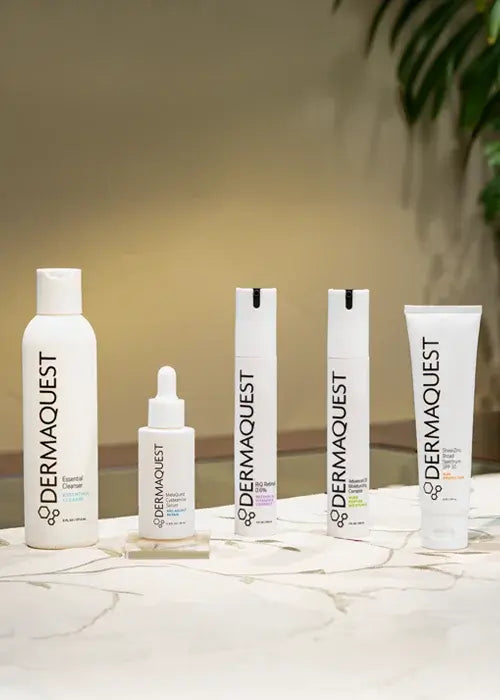
This is the principle at the heart of the DermaQuest Skin Health System™: strengthen the barrier first, then layer in targeted solutions. Step 1 of the System focuses specifically on building the barrier foundation that makes every subsequent active一and treatment一more effective and less likely to cause harm.
Over exfoliation is, in many ways, what happens when this sequence is reversed. A DermaQuest professional can evaluate your barrier's current state, guide your recovery, and help you build a personalized plan that supports lasting results rather than reactive recovery.
Frequently Asked Questions
Ready to restore your skin's balance and achieve a healthy skin barrier? Find a licensed DermaQuest skin health professional near you for an expert assessment and a personalized skin health plan.
Are you a skincare professional? Contact the DermaQuest team to learn how our barrier-first education, professional-grade formulations, and partnership support can help you deliver better client outcomes.