

Vitamin C is one of the most powerful antioxidants in skincare, but only when it’s layered correctly.
Despite its proven benefits, many people underuse or misuse vitamin C because they’re unsure who should use antioxidants, how to combine them with ingredients like niacinamide or retinol, or whether irritation is inevitable. The result? Missed protection, diminished results, and routines that don’t live up to their potential.
When layered strategically, vitamin C does far more than brighten. It strengthens daily environmental defense, supports collagen production, and works synergistically with other antioxidants and SPF to create what professionals call the Vitamin C Saturation Effect. In this state, antioxidant protection is more consistent and resilient throughout the day. This is especially relevant in modern routines where UV exposure and pollution are major drivers of oxidative stress; blue light may also contribute, especially in pigmentation-prone skin.
We break down exactly who should be using antioxidants, how to layer vitamin C for maximum efficacy, and how to pair it correctly with niacinamide, retinol, and SPF without irritation. You’ll also learn what the Vitamin C Saturation Effect looks like in practice and how consistent layering leads to visible, cumulative results over time.
If you want vitamin C to deliver real results, not just sit on your skin, this is where proper layering begins.
Who Should Be Using Antioxidants?
While antioxidants benefit virtually all skin types, we recommend prioritizing them if you work outdoors, commute daily, live in an urban environment, or spend significant time in front of screens. Your skin faces constant oxidative stress in these situations, and vitamin C provides essential daily defense.
Beyond environmental exposure, antioxidants are foundational if you're:
- Managing early signs of aging, including fine lines, dullness, or loss of firmness
- Addressing hyperpigmentation or post-inflammatory marks
- Actively receiving professional treatments and wanting to maximize results between visits
- Transitioning to active ingredients with a barrier-first approach
For skincare professionals: Recommending antioxidants to clients is essential rather than optional. Vitamin C serums complement professional treatments like peels and resurfacing, amplifying results and supporting the barrier during active treatment cycles. The DermaQuest Skin Health System™ positions antioxidants within Step 2 (Target Specific Concerns), ensuring the skin barrier is already strengthened before introducing actives for maximum benefit.
What Is the Vitamin C Saturation Effect?
When vitamin C and supporting antioxidants are applied strategically, they work synergistically within the skin to maximize absorption, stability, and performance. We call this the Vitamin C Saturation Effect. Rather than relying on a single vitamin C product, this approach leverages complementary actives like ferulic acid, vitamin E, and phytic acid to create a protective environment where vitamin C remains stable and bioavailable longer.
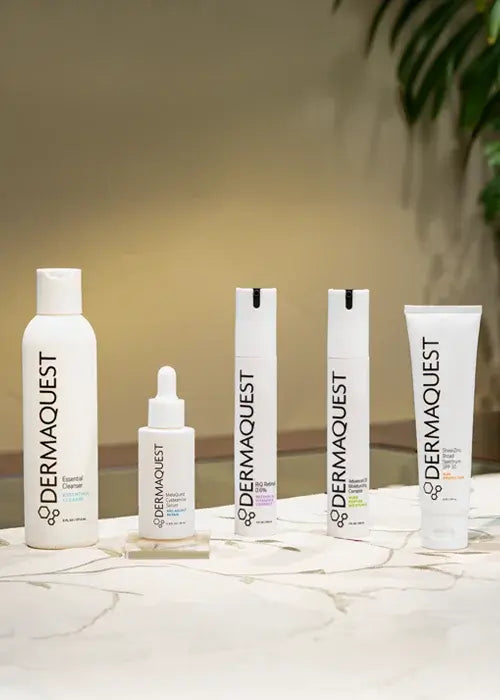
Why does this matter? Vitamin C is notoriously unstable. Once exposed to light, heat, or air, it oxidizes and loses efficacy. Pairing it with stabilizing ingredients extends its potency and enhances its ability to penetrate the skin and support collagen production. The result is enhanced environmental defense, superior collagen support, and improved radiance. The DermaQuest C Infusion Collection is specifically designed to leverage this effect, with each product contributing complementary antioxidant actives suited to different skin types.
How Do You Layer Vitamin C with Other Ingredients?
Morning Routine (Protective Focus)
Morning is the ideal time for vitamin C because your skin will face environmental stressors throughout the day. Follow this sequence:
- Cleanse to remove overnight accumulation and prepare the skin.
- Apply Vitamin C Serum to clean, dry skin for optimal penetration (allow one to two minutes for absorption).
- Layer Hydrating Ingredients such as hyaluronic acid or a hydrating toner.
- Apply Moisturizer to lock in hydration.
- Finish with Broad-Spectrum SPF 30+ as the final protective step.
Evening Routine Considerations
If using vitamin C in the evening, follow the same sequence without SPF. For those also using retinol, we recommend separating actives: vitamin C in the morning for daily protection and retinol in the evening for cellular renewal. This approach allows each active to work in its optimal context while minimizing potential irritation.
Can You Use Vitamin C with Niacinamide, Retinol, and SPF?
One of the most persistent myths in skincare is that vitamin C and niacinamide are incompatible. This has been debunked. Modern stabilized formulations of both ingredients work together effectively, offering synergistic benefits for brightness, barrier support, and pore refinement. Here's a quick reference for ingredient compatibility:
|
Ingredient |
Compatible? |
Best Practice |
|
Niacinamide |
Yes |
Layer together freely; supports brightness and barrier |
|
Vitamin E |
Yes |
Essential stabilizer; enhances antioxidant efficacy |
|
Ferulic Acid |
Yes |
Synergistic; improves vitamin C stability and performance |
|
Hyaluronic Acid |
Yes |
Apply after vitamin C for hydration boost |
|
Retinol |
Yes (separate) |
Vitamin C in AM, retinol in PM for best results |
|
SPF (Mineral) |
Yes (essential) |
Always follow morning vitamin C with SPF 30+ |
Pro Tip: Vitamin C and SPF Together
One of the most powerful combinations we recommend is vitamin C in the morning followed by broad-spectrum SPF 30+. Many people believe sunscreen alone provides adequate protection, but this misses a critical opportunity. SPF is your first line of defense by reducing UVA/UVB exposure, but no sunscreen blocks 100%—and real-world application often falls short. Vitamin C helps neutralize oxidative stress generated by environmental exposure, complementing sunscreen rather than replacing it.
Think of it as a two-part defense: the shield (SPF) and the neutralizer (vitamin C). DermaQuest's SheerZinc Tinted Broad-Spectrum SPF 30 provides mineral-based UVA/UVB protection with InfraGuard and Elix-IR technology for blue light and infrared defense, extending protection beyond traditional UV coverage.
Products Mentioned in Blog

SheerZinc Tinted Broad Spectrum SPF 30

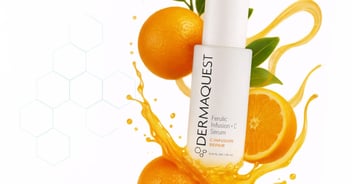
Ferulic Infusion + C Serum

Phytic Infusion + C Serum

Advanced C Infusion Moisturizer
Product Spotlight: The DermaQuest C Infusion Collection
The C Infusion Collection provides flexible antioxidant solutions tailored to different skin types and concerns. Here's how each product fits:
Ferulic Infusion + C Serum is our versatile daily option. Stabilized vitamin C paired with ferulic acid and vitamin E provides broad antioxidant defense, collagen support, and brightening. Best for: all skin types, particularly those concerned with photoaging or dullness.
Phytic Infusion + C Serum delivers 8% stabilized ascorbic acid with phytic acid, designed for oily and sensitive skin. Phytic acid supports antioxidant activity and helps promote a more even-looking tone. Best for: reactive skin, breakout-prone complexions, and clients new to vitamin C.
Advanced C Infusion Moisturizer Treatment contains 10% BV-OSC, an oil-soluble vitamin C derivative selected for stability and skin affinity. Combined with Agefinity™ for mitochondrial energy support, this is our intensive option. Best for: mature skin, significant aging concerns, and those seeking enhanced firmness.
Spotlight: Antioxidant Infusion Peel
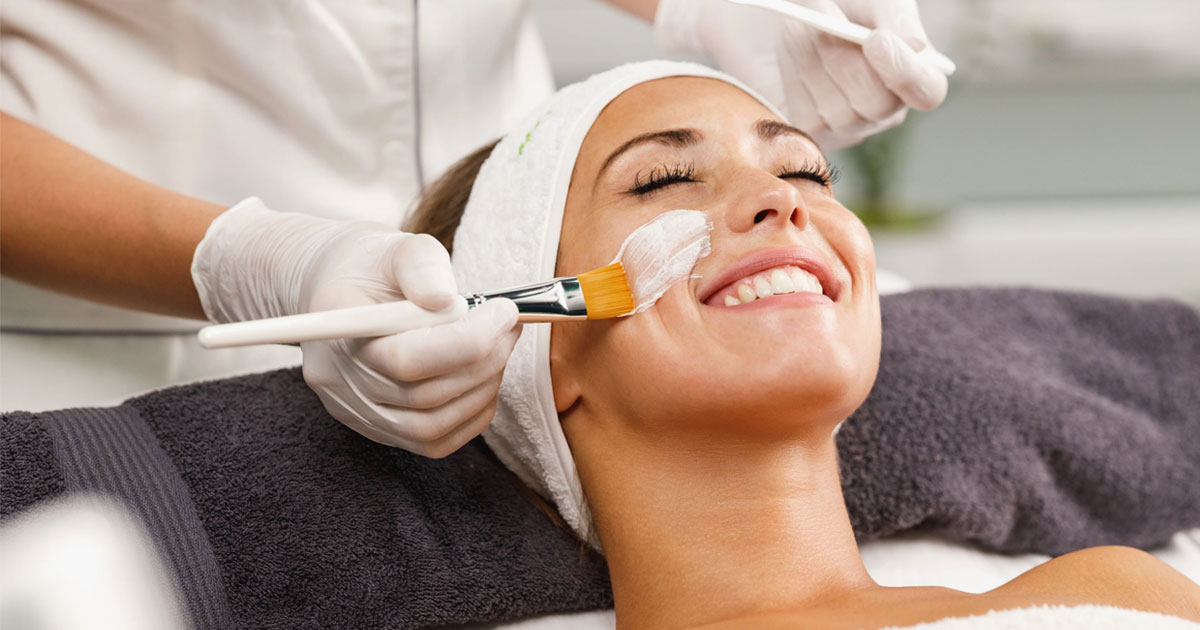
For professionals looking to amplify client results in-clinic, the Antioxidant Infusion Peel combines 15% L-ascorbic acid with pineapple and papaya enzymes, plant stem cells, lactic acid, and phytic acid. This treatment addresses mild-to-moderate photodamage, dullness, and uneven tone while reinforcing antioxidant saturation. Combined with a home-care regimen from the C Infusion Collection, it creates a complete approach where professional treatments and daily protection work together for lasting results.
What Results Can You Expect from Vitamin C?
Results vary based on skin type, baseline skin health, and consistency, but here's what many experience with regular vitamin C use:
- Weeks 2–4: Improved brightness and radiance; skin appears more luminous
- Weeks 4–6: Visible reduction in hyperpigmentation; more balanced, even tone
- Weeks 8–12: Improved texture and softening of fine lines; enhanced firmness
- Ongoing: Continued environmental protection and prevention of new oxidative damage
Consistency matters more than speed. Daily application builds cumulative protection and visible improvement. A vitamin C serum used every morning for eight weeks will deliver better outcomes than sporadic intensive use.
Ready to build your personalized antioxidant protocol? Find a Licensed DermaQuest Skin Professional
Frequently Asked Questions
All results are individual and may vary. This content is for educational purposes and does not replace professional medical advice. Always consult with a licensed skincare professional before beginning any new treatment protocol.