

What do antioxidants do for your skin—and why do skin health professionals recommend them as a daily essential?
Every day, your skin faces environmental stressors: UV radiation, pollution, blue light, and daily lifestyle factors. These exposures generate free radicals, unstable molecules that compromise collagen, affect elasticity, and contribute to premature aging. Without consistent defense, oxidative stress accumulates over time, weakening skin resilience and accelerating visible signs of aging.
Antioxidants provide essential daily protection.
- They help neutralize free radicals and reduce oxidative stress to support skin’s defense against environmental damage. Vitamin C, for example, not only defends—it actively supports collagen synthesis, enhances brightness, and strengthens skin's environmental resilience.
- When used consistently, antioxidant skincare helps preserve long-term skin health while addressing early signs of aging.
In this guide, you'll discover how free radicals affect skin, how antioxidants interrupt oxidative damage, why vitamin C is considered the cornerstone of professional antioxidant protection, and how the DermaQuest C Infusion Collection delivers targeted daily defense within a complete skin health system.
What Are Free Radicals and How Do They Damage Skin?
Free radicals are unstable atoms or molecules missing an electron. To stabilize, they steal electrons from nearby healthy skin cells, a process called oxidative damage. One free radical damages a cell, creating more free radicals, which damage more cells. Over time, this chain reaction weakens skin structure and accelerates visible signs of aging, including fine lines, loss of firmness, and uneven tone.
Your body produces free radicals naturally as part of normal metabolism, and in small amounts they're manageable. The problem arises when environmental stressors overwhelm your skin's natural defenses with more free radicals than it can neutralize on its own.
What Environmental Stressors Generate Free Radicals?
Our skin encounters multiple sources of oxidative stress daily:
-
UV Radiation (UVA/UVB): The most significant environmental aging factor. UV exposure triggers free radical generation and directly compromises collagen and elastin fibers.
-
Pollution and Particulate Matter: Urban environments expose skin to oxidative compounds that penetrate the barrier and generate reactive oxygen species at the cellular level.
-
Blue Light (High-Energy Visible Light): Emitted from screens and the sun, blue light generates free radicals and contributes to skin stress, particularly in sensitive individuals.
-
Infrared Radiation: Often overlooked, infrared radiation penetrates deeper skin layers and generates heat-related oxidative stress.
-
Lifestyle Factors: Chronic stress, smoking, poor sleep, and inflammatory diets also elevate free radical production internally.
The cumulative effect of these stressors is photoaging: premature aging driven by chronic environmental exposure. This shows up as uneven tone, loss of elasticity, and weakened skin resilience. This is precisely where antioxidants step in.
How Do Antioxidants Protect Your Skin?
Antioxidants protect skin by donating an electron to unstable free radicals, neutralizing them before they damage healthy cells. Many antioxidants are then stabilized or regenerated within the skin’s antioxidant network—for example, vitamin C can help regenerate vitamin E. This process is the foundation of oxidative stress defense.
Why Multi-Layered Protection Matters
No single antioxidant can address every type of free radical or environmental stressor. Vitamin C is powerful, but ferulic acid amplifies its stability and effectiveness. Vitamin E extends protection by working in different cellular compartments. Phytic acid supports antioxidant activity and helps promote a more even-looking tone.
We believe in multi-layered antioxidant protection because environmental stressors are multifaceted. Combining complementary antioxidant actives creates a more comprehensive defense system that addresses oxidative stress from multiple angles simultaneously.
How Does Vitamin C Defend Against Environmental Damage?
Vitamin C (ascorbic acid) is one of the most well-studied antioxidants for skin health. Here's why professionals and their clients rely on it as a cornerstone of daily protection:
-
Neutralizes Free Radicals: Vitamin C rapidly scavenges free radicals generated by UV radiation and environmental pollutants, reducing oxidative stress at the source.
-
Supports Collagen Synthesis: Vitamin C is a cofactor for enzymes that stabilize and cross-link collagen molecules, actively supporting structural integrity.
-
Brightens and Evens Tone: By reducing oxidative stress and supporting cellular turnover, vitamin C helps minimize hyperpigmentation and promotes a more radiant complexion.
-
Enhances UV Defense: While not a replacement for sunscreen, vitamin C works synergistically with SPF to amplify your skin's resilience against photodamage.
The Challenge: Stability and Penetration
Raw vitamin C (L-ascorbic acid) is notoriously unstable. It oxidizes quickly when exposed to light, air, or water, losing potency. Clinical-grade formulations address this through pH control, specialized delivery systems, and chemical modifications like BV-OSC, an oil-soluble vitamin C derivative selected for stability and skin affinity; penetration and conversion can vary by formulation.
At DermaQuest, we've invested in multiple vitamin C delivery systems to meet different skin needs, because stability is the difference between effective and ineffective antioxidant protection.
Spotlight: The DermaQuest Antioxidant Health Collection
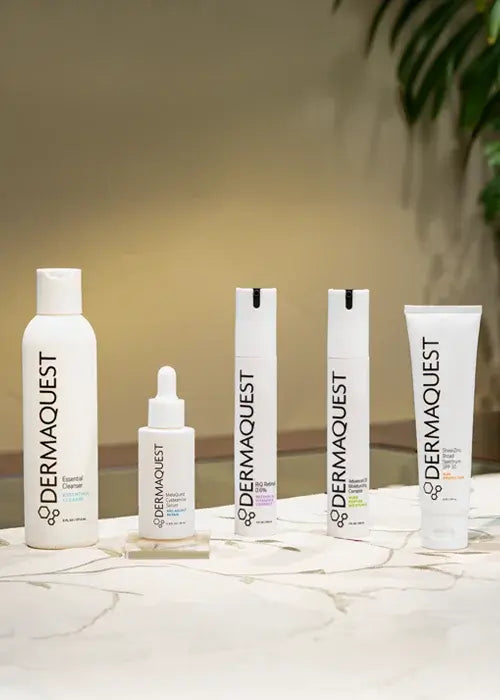
The Antioxidant Health Collection represents Step 2 (Targeted Solutions) of the DermaQuest Skin Health System™. After strengthening your skin barrier in Step 1, this collection delivers targeted, daily antioxidant defense against environmental stressors. The collection includes:
-
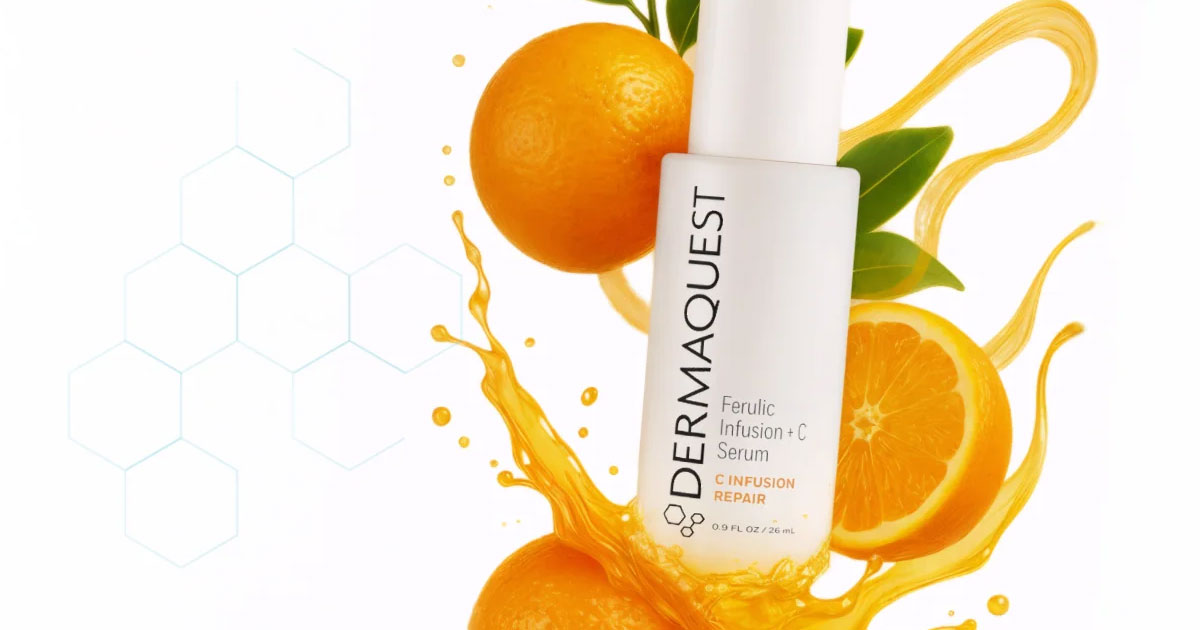
Ferulic Infusion + C Serum: Stabilized vitamin C paired with ferulic acid and vitamin E for synergistic free radical defense, collagen support, and brightening.
-
Phytic Infusion + C Serum: 8% stabilized ascorbic acid with phytic acid, ideal for oily and sensitive skin types with natural UV-protective properties.
-
Advanced C Infusion Moisturizer Treatment: 10% BV-OSC (oil-soluble vitamin C with 3x penetration) plus Agefinity™ for mitochondrial energy support and intensive antioxidant treatment.
-
Antioxidant Infusion Peel: A professional-grade treatment combining 15% L-ascorbic acid with pineapple and papaya enzymes, plant stem cells, and phytic acid. Designed for in-clinic use to address photodamage, dullness, and uneven tone.
Together, these products create a comprehensive antioxidant defense system. For professionals, the collection provides flexible options to customize recommendations based on individual client needs and skin types. For at-home users, each product addresses a specific concern while contributing to the broader goal of daily environmental protection.
Products Mentioned in Blog

Ferulic Infusion + C Serum

Phytic Infusion + C Serum

Advanced C Infusion Moisturizer

Antioxidant Infusion Peel
Building Your Antioxidant Defense Within the DermaQuest Skin Health System™
Antioxidant protection works best when integrated into the complete DermaQuest Skin Health System™:
- Strengthen your barrier with cleansing and barrier-support products (Vitamin B5, Niacinamide, Hyaluronic Acid).
- Target environmental stressors with daily antioxidant serums from the Antioxidant Health Collection.
- Boost results with microencapsulated retinoids for enhanced cellular renewal and tone correction.
- Protect with daily broad-spectrum mineral SPF and pollution defense.
Consistency is key. A daily vitamin C serum used over eight weeks, for example, will deliver better results than sporadic intensive use. Your skin's defense against oxidative stress is cumulative, and the foundation of that defense is a healthy, strengthened barrier.
Ready to explore how antioxidants can support your skin health goals?
Frequently Asked Questions
All results are individual and may vary. This content is for educational purposes and does not replace professional medical advice. Always consult with a licensed skincare professional before beginning any new treatment protocol.