

How to prepare for a chemical peel: Learn how to repair a damaged skin barrier, why fall is a good time for treatment, and tips for better results.
By late July, your skin is already carrying a lot of summer: the sun you meant to block, the heat, the afternoons you skipped moisturizer. Early fall is when a lot of people book a chemical peel to address the damage一and what happens between now and then can impact how well that peel works.
This guide covers how to prepare for a chemical peel after a summer of sun: why fall timing works, what your skin needs before you book, and how to tell when it's ready.
At DermaQuest, we believe preparation starts with one idea: a peel works best on skin that's healthy going in.
Key Takeaways
- Summer leaves visible effects. Sun exposure and heat can contribute to discoloration, dullness, rough texture, and barrier damage, all of which thoughtful preparation helps address.
- Fall offers ideal timing. Lower UV levels and fewer outdoor hours create more favorable conditions for peel recovery and protecting newly renewed skin.
- Professional guidance matters. The right peel, timing, and preparation depend on your skin type, concerns, and skin barrier health—not a one-size-fits-all routine.
- Preparation is key. Follow your professional's guidance, pause active ingredients as directed, prioritize hydration, and wear broad-spectrum sunscreen every day.
- DermaQuest supports every step. From personalized professional guidance to pre- and post-peel skincare, DermaQuest helps prepare skin for healthier-looking, longer-lasting results.
What a Summer of Sun Does to Your Skin
Months of sun, heat, and time outdoors add up in ways you can see. Cumulative UV exposure drives most post-summer concerns: darker spots and uneven tone, dullness from a backlog of dead surface cells, and rough texture. Sun and heat also compromise the skin barrier, leaving skin more dehydrated and reactive. While a chemical peel can address several of these concerns at once, repairing a damaged skin barrier should come first.
Why Fall Is a Good Time for a Chemical Peel
With lower UV levels and fewer hours spent outdoors, fall provides a more favorable environment for treatment and recovery. Those seasonal conditions make the post-treatment recovery period, when skin is more sensitive to the sun, easier to manage. Starting treatment in the fall also gives skin time to recover and renew before the return of stronger sun exposure in spring.
Chemical Peel Benefits
A chemical peel helps jump-start the skin's natural renewal process by removing damaged surface cells and encouraging fresh, healthier skin to emerge. Over a series of treatments, peels can improve skin tone, texture, discoloration, fine lines, and blemishes while promoting a brighter, smoother, more even-looking complexion. The depth of treatment and the results achieved depend on the type of peel selected and your individual skin concerns.
Signs Your Skin Needs Prep Before a Peel
Before scheduling a chemical peel, it's worth checking whether your skin barrier is ready for treatment. A few common signs may indicate it needs time to recover first:
- Tightness or stinging from products that never used to bother you
- Persistent redness or blotchiness that lingers after cleansing or applying skincare
- Flaking or rough patches that don't improve with moisturizer
- Increased sensitivity to sunlight or temperature changes
If several of these sound familiar, focus on repairing your skin barrier before moving forward with a peel. Our guide to the “5 Signs Your Skin Barrier Needs Repair” goes deeper on reading these cues.
How to Prepare for a Chemical Peel
Knowing how to prepare for a chemical peel comes down to an intentional, consistent routine beforehand. The goal is to arrive with a calm, hydrated, resilient barrier.
- Book a consultation first. A professional can assess your skin and tell you what preparation your specific peel requires.
- Pause active ingredients as directed. Step back from retinoids and strong exfoliating acids ahead of your appointment.
- Prioritize hydration and skin barrier support. Focus your routine on replenishing moisture and strengthening the skin barrier.
- Protect daily. Wear broad-spectrum SPF every day and minimize direct sun.
- Keep it consistent. Steady, gentle care in the lead-up beats last-minute changes.
Retinoids and strong exfoliating acids do valuable work, but stacking them right before a peel raises the risk of over-exfoliation and irritation. Give your skin a rest from these so it isn't already stressed when you peel. Our post, “Signs of Over-Exfoliation and How to Fix It,” covers what over-treating looks like.
How to prepare for a chemical peel
Five steps to get your skin peel-ready this fall
Book a consultation first
A professional assesses your skin and prep needs
Pause active ingredients as directed
Step back from retinoids and strong exfoliating acids
Prioritize hydration and barrier support
Replenish moisture and strengthen the barrier
Protect daily
Wear broad-spectrum SPF and minimize direct sun
Keep it consistent
Steady, gentle care beats last-minute changes
Booking Your Peel: Why a Professional Consultation Matters
Choosing the right chemical peel begins with a professional assessment. The type and strength of a peel should be matched to your skin type, concerns, and Fitzpatrick skin type to help ensure treatment is both safe and effective. That's why DermaQuest peels are performed by skincare professionals rather than offered for at-home use.
A consultation is also the best time to confirm your skin is ready for treatment. A DermaQuest skincare professional can evaluate the health of your skin barrier and determine whether you're ready for a peel or would benefit from additional preparation first. That level of individualized assessment is difficult to achieve on your own and helps maximize both the safety of the treatment and your overall results.
Getting Your Skin Barrier Peel-Ready
Preparing for a chemical peel isn't one-size-fits-all. The right pre-treatment regimen depends on your skin type, current skin condition, and the type of peel you're planning, so your skincare professional will tailor a plan to your needs.
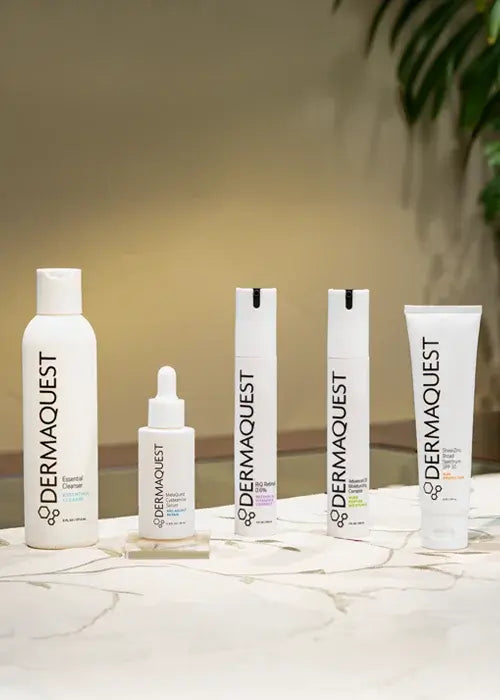
The DermaQuest Professional Skin Health System™ includes products that help prepare skin for professional treatments. Here's how each supports healthy skin and contributes to peel preparation.
- B5 Hydrating Serum replenishes moisture with hyaluronic acid, vitamin B5, and AcquaCell®, helping strengthen the skin barrier, improve moisture retention, and ensure skin is well hydrated before treatment.
- Advanced MelaQuest Serum targets stubborn discoloration and uneven skin tone that often follow summer sun exposure. Its hydroquinone-free formula uses plant-based brightening ingredients to help visibly reduce discoloration and promote a more even-looking complexion while preparing skin for professional treatments.
- Advanced Stem Cell Rebuilding Complex combines plant stem cells and peptides to support skin renewal while improving hydration, resilience, and the appearance of firmness as skin prepares for a peel.
- SheerZinc Broad Spectrum SPF 30 provides daily broad-spectrum UVA and UVB protection, helping prevent additional sun damage while preserving both your pre-treatment progress and post-peel results.
Together, these products reflect the strengthen-then-protect approach of the DermaQuest Professional Skin Health System™. Your skincare professional will recommend which products are appropriate for your skin, how to use them, and when to begin your pre-treatment prep.
How Often Should You Get a Chemical Peel?
The ideal treatment schedule depends on the type of peel, your skin concerns, and how your skin responds over time. The ideal treatment schedule depends on the type of peel, your skin concerns, and how your skin responds over time. Chemical peels are typically part of an ongoing professional skincare regimen, with the frequency and level of exfoliation tailored to your skin's needs and goals.
For many patients, fall is a natural time to begin a series of treatments or resume a regular skincare routine after summer. It provides a convenient seasonal reset and a strong foundation for maintaining healthier-looking skin throughout the year.
Your skincare professional will recommend a treatment schedule tailored to your goals and一importantly一guide you on the home care needed to support and maintain your results between appointments.
Frequently Asked Questions
Why is fall a good time for a chemical peel?
Fall's lower UV levels and reduced time outdoors create more favorable conditions for healing. Because skin is more sun-sensitive after a peel, recovery is generally easier to manage at this time rather than during peak summer.
Do I need a consultation before a chemical peel?
A professional consultation is highly recommended. It enables your skincare professional to evaluate your skin, determine whether it's ready for treatment, recommend the most appropriate peel, and create a preparation plan tailored to your skin and goals.
How do I prepare my skin for a chemical peel?
Begin with a professional consultation, pause retinoids and strong exfoliants as directed, prioritize hydration and barrier support, and wear broad-spectrum SPF daily. Your skincare professional can tailor preparation to your skin and peel.
How do I know if my skin is ready for a peel?
Tightness, lingering redness, flaking, or increased sensitivity may indicate your skin barrier needs additional care before treatment. A professional consultation is the best way to determine when your skin is peel-ready.
How often should you get a chemical peel?
Treatment frequency depends on the peel, your skin concerns, and your goals. Some people benefit from a single peel, while others achieve the best results through a professionally recommended series of treatments.
Ready to get your skin peel-ready for fall? Connect with a DermaQuest skincare professional to receive a personalized skin assessment, build a pre-peel plan tailored to your skin, and determine the right treatment and timing for your goals.