

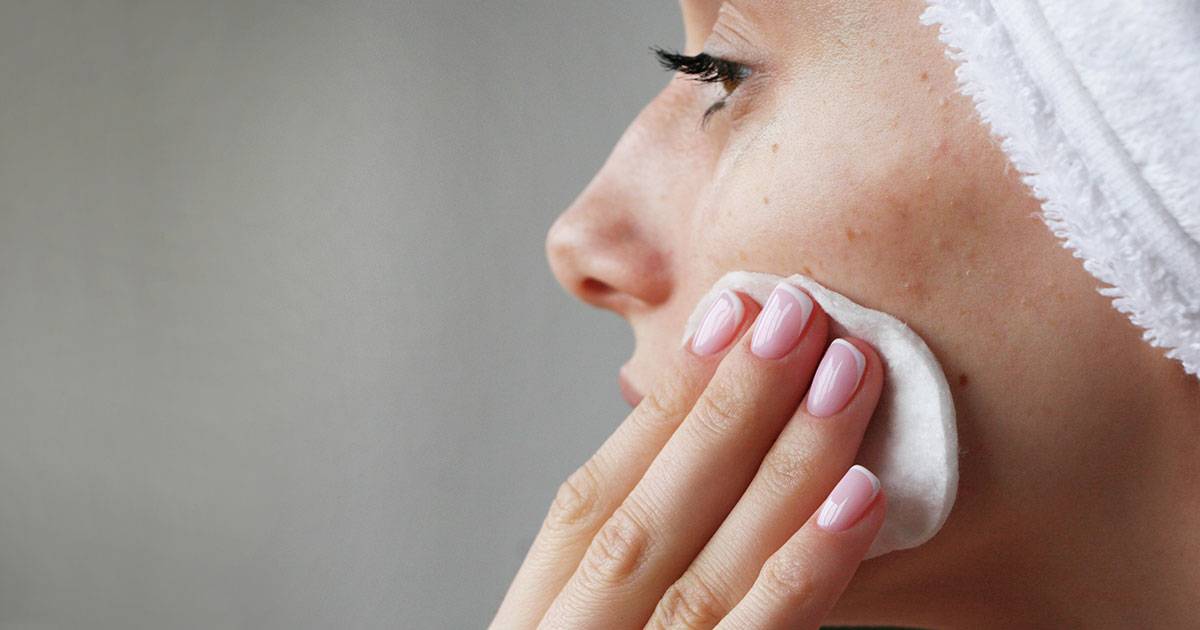
When a client comes in for acne, they've usually already named it. But "I'm breaking out" doesn't tell you much. Comedonal congestion and cystic acne are both acne, but they have different drivers, different presentations, and different needs. Your assessment, treatment plan, and home care recommendations all hinge on which type you're actually looking at.
This guide walks through the major categories of acne, what to look for, and how treatment direction should shift based on what you see.
Understanding What Drives Acne
Acne begins in the hair follicle. It develops when excess sebum, dead skin cells, and—in inflammatory cases—bacteria create congestion within the pore. The picture branches from there based on how the follicle responds, what inflammatory processes are activated, and whether hormonal or microbiome factors are involved.
In fact, according to research published in the Journal of the American Academy of Dermatology, acne affects an estimated 17.7% of adults.
The four key contributors are
- Sebum overproduction
- Follicular hyperkeratinization (the buildup of dead skin cells within the follicle)
- Bacterial colonization
- Inflammation
Different acne types reflect different combinations of these factors, which is why identifying the type matters so much for treatment planning.
The Main Types of Acne: What They Look Like and What They Mean
Comedonal Acne
Comedonal acne presents as clogged pores, either open (blackheads) or closed (whiteheads), without significant inflammation. The skin may look congested or dull, but breakouts are typically not red or painful.
The primary drivers are follicular hyperkeratinization and excess sebum. When dead skin cells don't shed effectively and oil accumulates in the pore, congestion forms. Open comedones oxidize and darken at the surface; closed comedones remain below the skin.
Treatment: Treatment centers on exfoliation and oil regulation. BHA actives like salicylic acid are well suited here: oil-soluble, they penetrate into the pore to help dissolve the buildup creating congestion. Additionally, AHA exfoliation supports surface cell turnover to prevent ongoing blockage.
Inflammatory Acne
Although Cutibacterium acnes (C. acnes) is a normal resident of sebaceous skin, certain strains are associated with greater inflammatory potential. When these colonize a clogged follicle, the result is inflammation presenting as papules (raised, red bumps) and pustules (papules with visible pus), often alongside comedonal congestion. The skin may feel tender and redness is typically pronounced.
Treatment: Approaches that focus exclusively on exfoliation or oil control without addressing inflammation can aggravate this presentation. Skin barrier health is especially important here: when the barrier is compromised by aggressive exfoliation or drying actives, the skin's ability to regulate inflammation decreases and healing slows. Effective treatment combines clarifying actives with barrier-supportive ingredients.
Nodular and Cystic Acne
Nodular and cystic acne represent among the most severe forms of acne. These lesions develop deep within the skin, are often painful, and carry a high risk of scarring. Acne cysts contain pus, while nodules are firmer and more solid. Because both are deep inflammatory lesions, clients with active nodular or cystic acne are best served by a dermatology referral for medical management.
Treatment: In the treatment room, the professional role shifts to supporting the surrounding skin environment: reducing inflammation, supporting skin barrier function, addressing non-cystic congestion, and treating post-inflammatory hyperpigmentation (PIH) that may follow.
Hormonal Acne
Hormonal acne is distinguished less by how individual breakouts look and more by where they appear and when. Breakouts driven by hormonal fluctuation, particularly androgens, tend to cluster along the lower face: the chin, jawline, and sometimes the neck. In adult women, they often follow a cyclical pattern aligned with the menstrual cycle. The mechanism involves androgen-stimulated sebum production, which increases oil flow into the follicle and sets the stage for congestion and inflammation.
Treatment: Professional skin care can play a meaningful role in managing the cycle—clearing congestion, calming inflammation during flares, and treating PIH.
Clients with a predominantly hormonal pattern should also be encouraged to speak with their physician, as coordinating care tends to produce the strongest outcomes.
Products Mentioned in Blog

Advanced DermaClear Serum

Intelligent Jessner's Peel
Treating Acne Without Compromising the Skin Barrier
One of the most common challenges in professional acne management is the tension between clearing congestion and protecting the skin barrier. Many of the actives most effective for acne—salicylic acid, glycolic acid, and retinoids—can disrupt barrier function when used too aggressively or without adequate support.
A barrier-conscious approach resolves this by strengthening the skin's foundation alongside targeted treatment. When the barrier is intact and the skin is well-hydrated:
- Clarifying actives are better tolerated
- Healing between treatments is faster and more efficient
- Results are more consistent and less likely to plateau
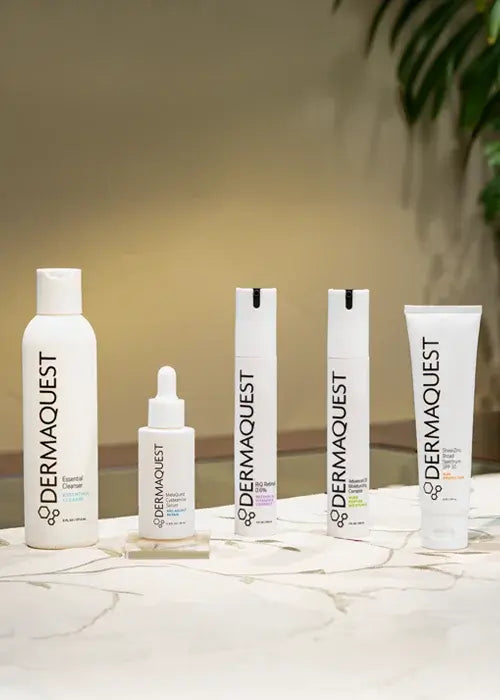
This is the philosophy behind the DermaQuest Skin Health System™. Strengthen the barrier first, then address targeted concerns, including clear skin health, with actives suited to the skin's current condition.
The DermaClear Collection delivers this multi-level approach, addressing congestion, oil, inflammation, and barrier integrity together. The Advanced DermaClear Serum, a cornerstone of the collection, was studied over six weeks on 34 subjects:
- 97% reported smoother, more hydrated skin
- 91% experienced visibly clearer skin with less redness and inflammation (Individual results may vary)
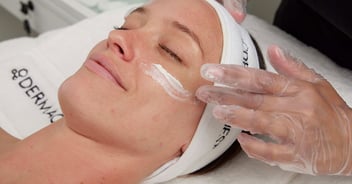
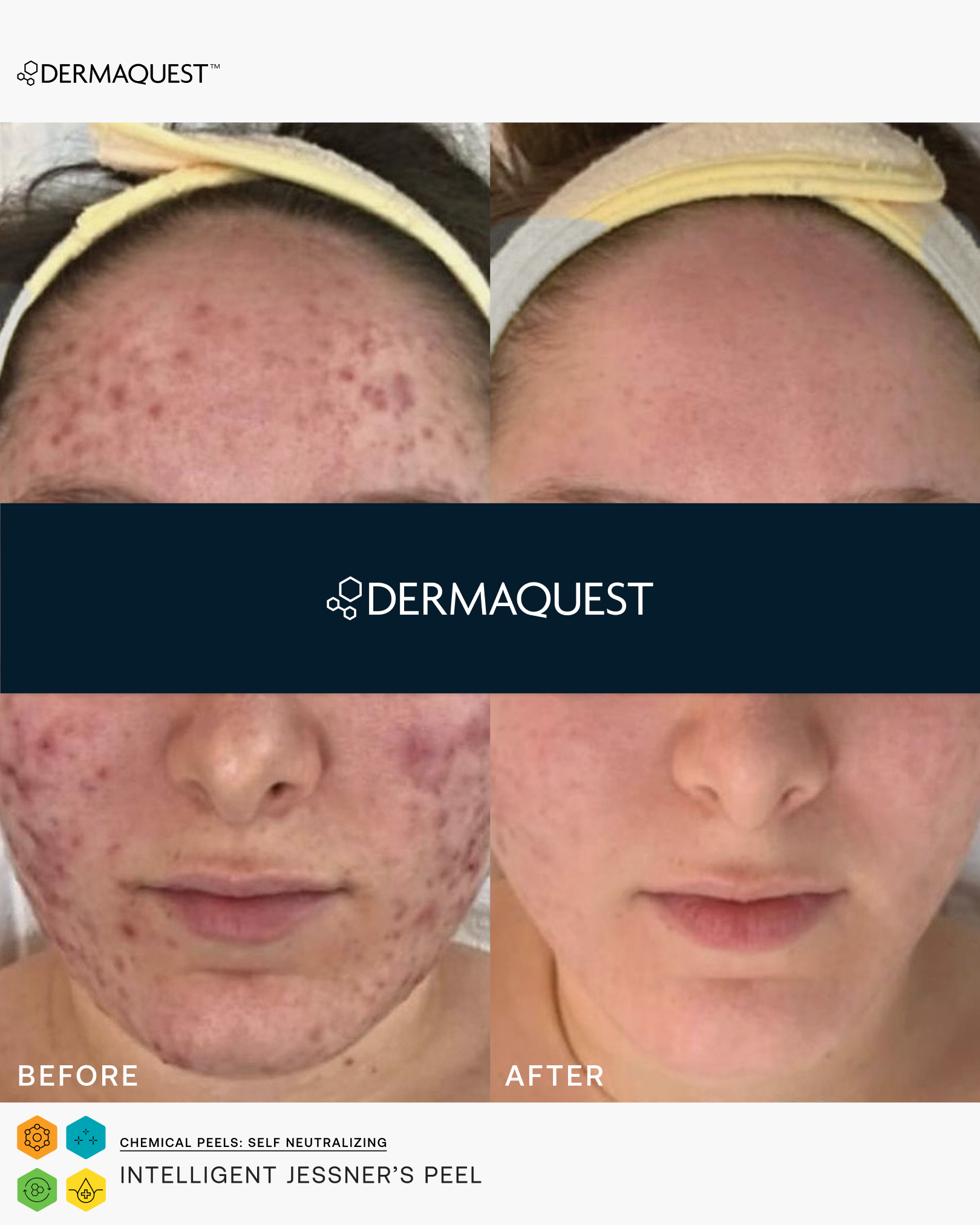
Professional treatments extend this approach into the treatment room. DermaQuest's resurfacing options range from gentle options suited to sensitive skin or clients new to professional exfoliation, to advanced peels like the Intelligent Jessner's Peel — formulated specifically to support clear skin health and prevent further outbreaks. Together, professional treatments and barrier-first home care work as a unified protocol, rather than two separate steps
Results: Intelligent Jessner’s Peel in Action
Spot Treatment vs. A Systemic Approach
Spot treatment has its place. Formulations found in products like our BHA Spot Treatment can work to reduce inflammation and speed resolution on an active lesion. But for clients with recurring or multiple types of acne, a single-mechanism approach rarely produces lasting improvement. It addresses the visible result without interrupting the cycle itself.
Helping clients understand why a comprehensive protocol typically outperforms what they've been doing on their own is part of the value you bring to every consultation. A more effective strategy addresses the underlying contributors: regulating sebum, supporting healthy cellular turnover, calming inflammation, and maintaining microbiome balance. That conversation builds the kind of trust that differentiates your practice.
Products Mentioned in Blog

BHA Spot Treatment
This powerful spot treatment contains 2% salicylic acid in a new, hygienic applicator to quickly and efficiently treat acne breakouts. An ideal addition to any acne-improving skincare regimen, this treatment will help reduce the appearance of even the most stubborn lesions.How DermaQuest Supports Your Practice
Building a successful acne practice takes more than effective products. It requires a clinical framework, ongoing education, and the business tools to grow. As a DermaQuest professional partner, you get access to all three.
DermaQuest's clinical partner toolkit includes:
- Training and education — online and in-person training covering foundational skin health, ingredient science, treatment protocols, and hands-on technique
- Dedicated account support — one-on-one guidance from an account executive team focused on your practice growth
- Customizable marketing tools — branded assets and resources designed to attract and retain clients
- Business development funds and exclusive offers — practical support to help scale your practice sustainably
The DermaQuest Skin Health System™ provides the clinical framework; the partnership puts the tools in place to build a stronger practice with it.
Frequently Asked Questions
Ready to build a more effective approach to acne management in your practice? Contact the DermaQuest team to learn how comprehensive education, clinical support, and the DermaQuest Skin Health System™ can elevate your clinical outcomes and differentiate your practice.